This post is also available in:
Can Discrepancies Affect Your Property Sale or Purchase?
If you are planning to buy or sell a property in Altea or the Costa Blanca, one issue that often arises —sometimes unexpectedly— is a discrepancy between the Cadastre (Catastro) and the Land Registry (Registro de la Propiedad).
At first glance, this may seem like a minor technical detail. However, in practice, it can delay transactions, create legal uncertainty, or even prevent a sale altogether.
At ALTEALEX — Legal Advisory in Real Estate, we regularly assist both property owners and buyers facing these situations, providing clear legal solutions to ensure a secure and successful transaction.
What Is the Difference Between the Cadastre and the Land Registry?
Understanding the distinction between these two systems is essential for anyone involved in property transactions in Spain.
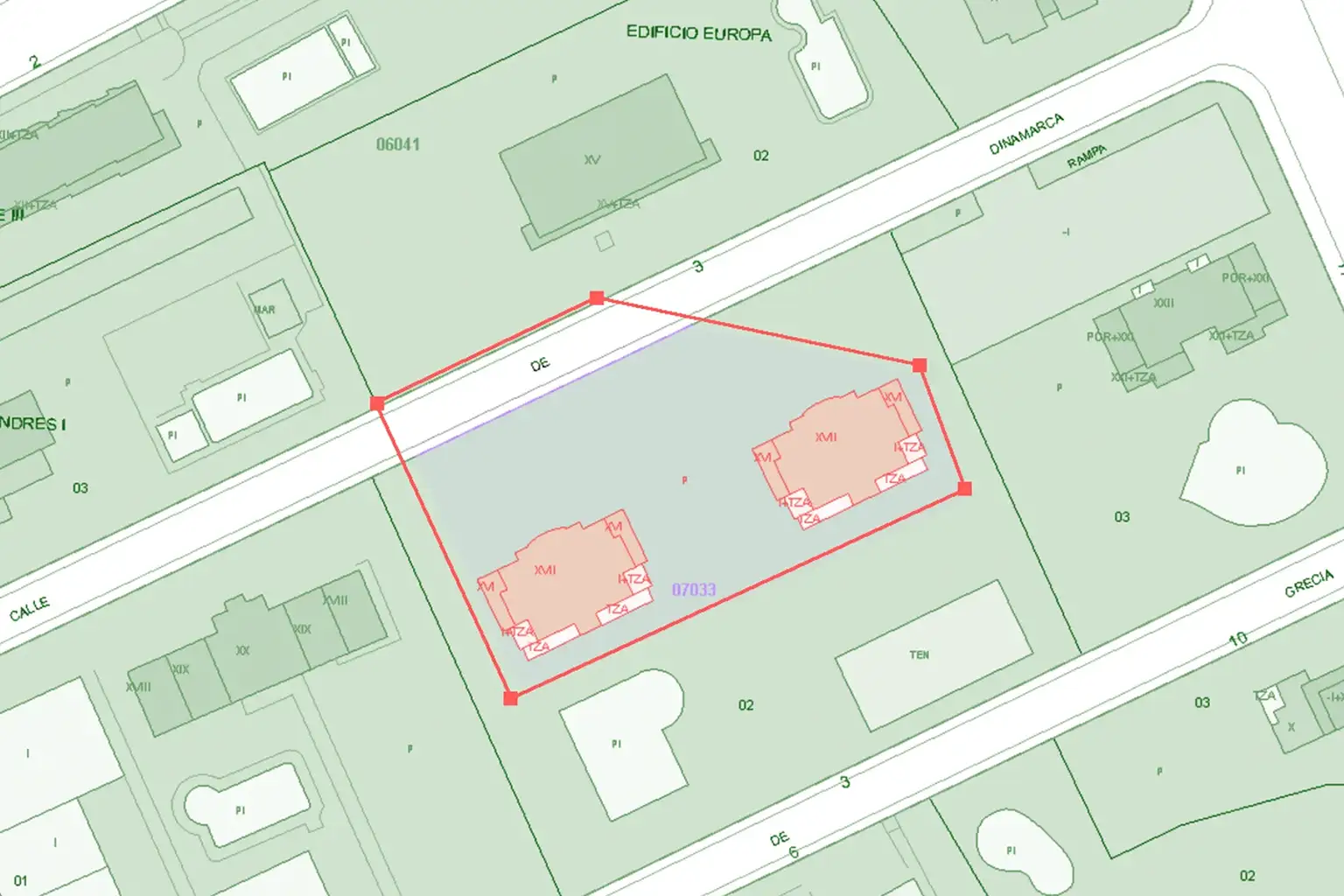
The Cadastre (Catastro)
The Cadastre is an administrative register managed by the Spanish Tax Authorities (Hacienda).
Its function is to describe the physical characteristics of a property, including:
- Surface area
- Location
- Boundaries
- Use and classification
It is primarily used for tax purposes, such as calculating:
Property tax (IBI)
Municipal capital gains tax (plusvalía)
However, it does not provide legal proof of ownership.
The Land Registry (Registro de la Propiedad)
The Land Registry is a legal register under the Ministry of Justice.
It records:
- Ownership rights
- Charges (mortgages, liens)
- Easements or usufruct rights
- Legal description of the property
In legal matters, the Land Registry prevails and provides protection against third parties.
Why Do Discrepancies Occur?
Differences between the Cadastre and the Land Registry are very common in Spain, particularly in areas like Altea and the Costa Blanca.
They typically arise from:
- Older properties with outdated records
- Renovations or extensions not formally declared
- Rural or irregular plots
- Historical inaccuracies or lack of coordination between systems
How Can Discrepancies Affect a Sale or Purchase?
Whether you are a seller or a buyer, discrepancies can have significant consequences:
- Mortgage Difficulties
Banks rely heavily on Land Registry data. If inconsistencies exist:
- The property valuation may be affected
- Financing may be reduced or denied
- Buyer Distrust
Foreign buyers, in particular, are highly sensitive to legal inconsistencies. Result:
- Renegotiation of price
- Withdrawal from the transaction
- Notarial and Registration Delays
The notary may request clarification or include reservations in the deed. This can:
- Delay completion
- Create uncertainty
- Jeopardize the deal
- Loss of Market Value
Properties with legal discrepancies are perceived as higher risk. This often leads to:
- Longer time on the market
- Price reductions
- Urban Planning and Boundary Issues
In some cases, discrepancies may:
- Affect building permits
- Lead to boundary disputes
- Require legal action or technical reports
Can These Issues Be Resolved?
Yes, in most cases discrepancies can be resolved.
However, the key factor is timing and strategy.
Addressing the issue early often prevents delays and complications during the sale or purchase process.
Legal Solutions to Align Cadastre and Land Registry
At ALTEALEX, we provide tailored legal solutions depending on the nature of the discrepancy:
- Cadastre–Registry Coordination
A technical report prepared by an architect or surveyor aligns the physical reality with official records.
- Rectification of the Cadastre
If the error lies in the Cadastre, it can be corrected through an administrative procedure.
- Rectification of the Land Registry
If the Registry is incorrect, a notarial deed supported by technical documentation is required.
- Ownership Proceedings (Expediente de Dominio)
For complex cases —especially rural properties— specific legal procedures may be necessary.
Is It Always Necessary to Resolve the Issue Before Selling?
Not necessarily. A property can still be sold if:
- The buyer is properly informed
- The transaction is carefully structured
- The legal risks are clearly managed
This is where professional legal advice becomes essential.
A Real Case on the Costa Blanca
A property in Altea presented the following discrepancy:
A villa in Altea is listed as having:
- Land Registry: plot of 1,200 m²
- Property Registry: plot of 1,000 m²
- Furthermore, the swimming pool was encroaching onto the neightgouring plot in the Cadasdre plan
Problem: The buyer could not obtain financing
At ALTEALEX:
- We analysed the legal situation
- Coordinated the necessary documentation
- Structured the transaction appropriately
Result: The property was successfully sold without delays
Why Legal Advice Makes the Difference
Discrepancies between the Cadastre and the Land Registry are not unusual. However, without proper legal guidance, they can:
- Block financing
- Generate distrust
- Delay or derail transactions
The key is not just identifying the problema, but knowing how to manage it strategically.
Do You Have a Property with a Planning Issue?
At ALTEALEX, we provide clear, practical legal advice for both sellers and buyers. We will tell you:
- What the issue is
- Whether it affects your transaction
- How it can be resolved
Our legal team specialises in:
- Property regularisation
- Land Registry and notarial procedures
- Boundary disputes and legal claims
- Advisory in purchase, sale and inheritance transactions
Contact ALTEALEX
If you are considering buying or selling a property in Altea or the Costa Blanca, do not leave legal uncertainties unresolved.
Contact ALTEALEX for a confidential consultation and ensure your transaction is handled with security, clarity and professional expertise.
ALTEALEX — Strategic Property Advisory
Real Estate & Legal Expertise in Altea and the Costa Blanca