
This post is also available in: Español (Spanish)
Buying Property in Spain:
A Step-by-Step Legal Guide for Foreign Buyers
A Purchase That Protects You From Day One
Buying a home in Spain is straightforward when it is done in the right order, and expensive when it is not. The process is different from the one most buyers know at home: deposits become binding much earlier, debts can follow the property rather than the seller, and the notary who signs the deed is not there to check everything on your behalf.
This guide explains each step, from the moment you find a property to the day it is registered in your name, and what should be checked at each stage. It is based on more than forty-five years of handling purchases for foreign clients in Altea and across the Costa Blanca.

Before You Start: Three Things to Arrange
Your NIE number
Without it you cannot sign at the notary, pay the purchase taxes or open a Spanish bank account. Obtaining it can take weeks, so it should be the first step, not the last.
A Spanish bank account
In practice you need one to pay the price, the taxes and the annual charges, and to set up direct debits for utilities and local taxes.
Whether you will be in Spain to sign
If not, a power of attorney allows your lawyer to complete the purchase for you, from the private contract to the registration.
It also pays to settle the budget early. Plan for roughly 10% to 14% on top of the price in taxes and fees, and if you need a Spanish mortgage, obtain an approval in principle before you commit to any deposit.
Step 1: Reservation
When a price is agreed, the agent will usually ask for a reservation payment to take the property off the market, typically a few thousand euros. Read what you sign. Some reservation documents are simple receipts; others already contain conditions that bind you.
Never pay a reservation without knowing whether, and in what circumstances, it is refundable. Ideally the payment is made into a lawyer’s client account, or with a written clause that returns it if the legal checks are not satisfactory.
Step 2: Legal Checks Before You Commit
This is the step that protects you, and it must happen before you sign the private contract and pay the main deposit, not afterwards. A proper legal review covers:
- Ownership and charges. We obtain the nota simple from the Land Registry to confirm who owns the property and whether it carries mortgages, embargoes or other charges.
- Description. The Land Registry, the cadastre and the property itself should match. Undeclared extensions, pools and annexes are common on the Costa Blanca.
- Planning status. Whether the house and any extensions were built with a licence, and whether there are open planning proceedings against it.
- Occupancy. The licence of first occupation or certificate of habitability where it applies, which is also needed to contract utilities.
- Debts. Unpaid community fees and local property tax (IBI) can pass to the new owner. We request a certificate from the community of owners and the last IBI receipt.
- Energy performance certificate, which the seller must provide.
- The seller’s tax residence, because a non-resident seller triggers a withholding obligation for the buyer (see below).
Step 3: The Private Contract and the Deposit
Once the checks are satisfactory, buyer and seller sign a private purchase contract and the buyer pays a deposit, usually 10% of the price. In Spain this is normally structured as a penitential deposit (arras penitenciales, Article 1454 of the Civil Code): if the buyer walks away, the deposit is lost; if the seller walks away, it must be returned doubled.
The contract should set out the price, the completion date, what is included in the sale, who pays which costs and what happens if anything still pending is not resolved. It is the most important document of the purchase. The deed signed later at the notary normally reflects what it says, so this is where your position is won or lost.
Step 4: Completion at the Notary
On the completion date, both parties, or their representatives, sign the public deed of sale (escritura de compraventa) before a Spanish notary. The balance of the price is paid, normally by bank transfer or banker’s draft, and the keys are handed over the same day.
What the notary does, and what the notary does not do
The notary verifies the identity and capacity of the parties, checks the Land Registry immediately before signing, reads the deed to them and ensures the transaction is lawful. But the notary acts for neither buyer nor seller. The notary does not investigate the planning history of the house, the state of the building or whether the contract protects you. That is the work of your own lawyer.
Step 5: Taxes and Registration
- Purchase tax. Resale properties pay transfer tax; new builds bought from a developer pay VAT plus stamp duty. It must be paid within one month of completion.
- Land Registry. The deed is then presented for registration. Until it is registered in your name, your ownership is not protected against third parties.
- Change of ownership. Utilities, IBI and community fees are transferred into your name and set up by direct debit.
Buying From a Non-Resident Seller: the 3% Withholding
Buying Off-Plan or a New Build
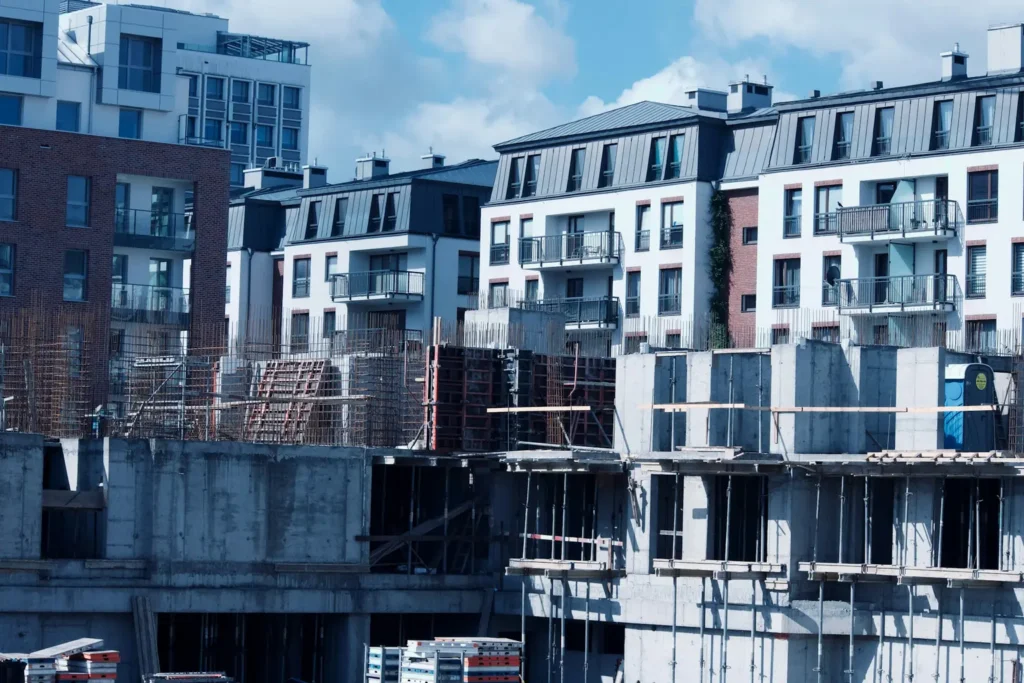
When you buy from a developer, every payment made before completion must be protected by a bank guarantee or insurance policy in your name. No guarantee, no payment. You should also check that the building licence exists and, at completion, that the licence of first occupation has been granted. We explain this in detail in our guide to buying off-plan property safely.
The Mistakes That Cost Foreign Buyers Most
- Signing a reservation or private contract before the legal checks are done.
- Assuming the notary has checked everything.
- Declaring a price below the cadastral reference value, and receiving a supplementary tax bill months later.
- Buying a property with undeclared extensions or a pool built without a licence.
- Forgetting the 3% withholding when the seller is non-resident.
- Overlooking the annual obligations. IBI, community fees and, for non-residents, the Modelo 210 every year, even if the property is never rented out.
Get Your First Consultation for FREE!
Thinking of buying in Altea or on the Costa Blanca? Your first consultation is free. We will tell you what to check for the property you have in mind, before you pay anything.

How We Help
- Reviewing the reservation document and the private contract before you sign anything.
- A full legal check of ownership, charges, planning, licences and debts.
- Obtaining your NIE and preparing a power of attorney if you cannot travel.
- Attending the notary, paying the taxes and registering the property in your name.
- Transferring utilities and setting up your annual obligations as an owner.
Frequently Asked Questions About Buying Property in Spain
Do I need a lawyer to buy property in Spain?
It is not compulsory, but it is strongly advisable. The notary does not represent you and does not investigate the property, and the estate agent is paid by the sale going ahead. An independent lawyer is the only professional in the transaction whose job is to protect the buyer.
How long does it take to buy a property in Spain?
For a resale property, usually between six and ten weeks from reservation to completion. It takes longer if a mortgage is needed, if the NIE has to be obtained first or if the checks reveal something that must be resolved before signing.
Can I buy property in Spain without travelling?
Yes. With a power of attorney, granted at a Spanish consulate or before a notary in your own country, your lawyer can sign the contract and the deed, pay the taxes and register the property in your name.
How much is the deposit when buying a house in Spain?
A small reservation payment first, and then usually 10% of the price when the private contract is signed. Under a penitential deposit, the buyer loses it by withdrawing and the seller returns it doubled if they withdraw.
Can foreigners buy property in Spain?
Yes, there are no nationality restrictions for buying a home in Spain. Only in a few areas classified as of interest for national defence do buyers from outside the EU need a military authorisation, and we check this where it applies.