
This post is also available in: Español (Spanish)
Moving to Spain:
The Legal Steps, in the Right Order
The Legal Side of Moving, in the Right Order
Most of the problems we see in people who have just moved to Spain are not caused by the paperwork itself, but by doing it in the wrong order. A residence application that cannot go ahead without a document from the town hall. A town hall registration that needs a rental contract. A tax residence that started earlier than planned, with assets abroad that nobody declared.
This guide sets out the legal side of moving to Spain, first for citizens of the European Union and then for everyone else, and explains which steps should come before you leave and which once you arrive.

First: Are You an EU Citizen?
EU, EEA and Swiss citizens
Citizens of the EU, the EEA and Switzerland can live in Spain freely. If they stay longer than three months they must register as residents, at the foreigners' office or police station, and receive a registration certificate showing their NIE. They need to show sufficient income or employment and health cover.
Everyone else
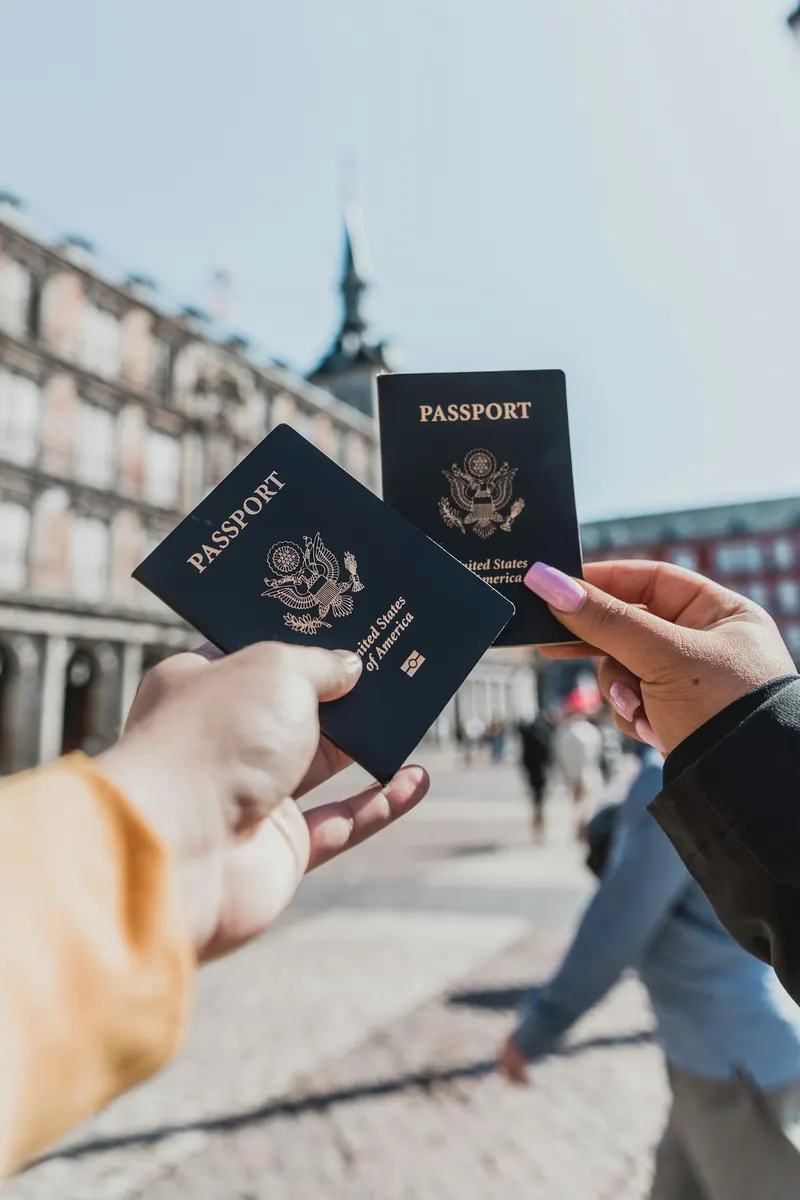
Everyone else, including British citizens since Brexit and Americans, needs a visa before travelling, issued by the Spanish consulate in their country. Without one, they can stay a maximum of 90 days in any 180-day period. After arriving with the visa, they apply for their residence card, the TIE, within one month.
British residents before 2021
British citizens who were already living in Spain before 1 January 2021 are protected by the Withdrawal Agreement and hold a TIE that reflects it.
Which Visa, If You Are Not an EU Citizen?
The right visa depends on what you will live on. The most common routes for people who buy a home here are:
Non-lucrative visa
Non-lucrative visa: for those who can live on pensions, savings or investments and will not work in Spain. We explain it in our article on the non-lucrative residence visa.
Digital nomad visa
Digital nomad visa: for those who will keep working remotely for companies or clients outside Spain.
Work, study and family visas
Work, study and family visas, for those who will work for a Spanish employer, study, or join a family member.
The golden visa, obtained by buying property for €500,000 or more, was abolished in April 2025 and is no longer available.
NIE, Registration Certificate and TIE: What Is the Difference?
| Document | What it is | Who needs it |
|---|---|---|
| NIE | An identification number for foreigners. It does not give the right to live in Spain. | Anyone buying property, inheriting, paying taxes or opening a bank account |
| Registration certificate | Proof that an EU citizen is resident. It shows the NIE. | EU, EEA and Swiss citizens living in Spain |
| TIE | The physical residence card, with photograph and fingerprints. | Non-EU citizens with a residence permit |
Many people obtain their NIE months before moving, because they need it to buy a property. That is perfectly normal: the same number will later appear on their registration certificate or TIE.
The Padrón: Registering at the Town Hall

The padrón is the municipal register of the people who live in each town. You register at your town hall with your passport and your title deed or rental contract. It is needed for public healthcare, schools, many residence procedures and, in some towns, reductions on local taxes. Non-EU citizens without permanent residence must renew it every two years.
A common question is whether registering on the padrón makes you tax resident. It does not, on its own: tax residence depends on the days you spend in Spain and where your interests are. But the tax office can use the padrón as evidence, so the two should be consistent.
Tax Residence: the Step Most People Get Wrong
You become tax resident in Spain if you spend more than 183 days here in a calendar year, or if your main economic interests are here. Spain does not normally split the tax year: if you arrive in March and stay, you are usually resident for the whole of that year and taxed on your worldwide income from 1 January.
- Plan the date. Selling shares, a business or a property abroad just before or just after becoming resident can make a large difference.
- Declare assets abroad. Residents with assets outside Spain worth more than €50,000 in any category must file an informative return, the Modelo 720, by 31 March.
- Check whether you qualify for the special regime for people moving to Spain to work, known as the Beckham Law.
Healthcare
If you work in Spain
If you work in Spain, employed or self-employed, you are covered by the public system through Social Security.
EU and UK state pensioners
State pensioners from the EU and the United Kingdom can usually register with an S1 form issued by their own country.
Everyone else
Everyone else needs private health insurance, which is a requirement for most visas anyway, or can join the public system through a paid agreement once they have been registered on the padrón for a year.
Driving
EU driving licences remain valid in Spain. Other licences can be used for six months after becoming resident. After that, British licences can be exchanged for a Spanish one under the agreement in force since 2023, while most American licences cannot, and their holders need to pass the Spanish driving test.
Renting or Buying Your Home
Renting for the first months is often a good idea: it gives you a padrón address immediately and time to choose where to buy. When you do buy, the process and the checks are the same as for any foreign buyer; we explain them in our step-by-step guide to buying property in Spain.
A Checklist, in the Right Order
Before you leave
- Visa, if you are not an EU citizen.
- NIE number, especially if you plan to buy.
- Birth, marriage and criminal record certificates, apostilled and translated where needed.
- Tax advice on the date you will become resident and on any assets you plan to sell.
In your first weeks
- Padrón at the town hall.
- TIE or EU registration certificate.
- Spanish bank account and healthcare registration.
In your first year
- Driving licence, where it needs exchanging.
- Your first Spanish tax returns, including the Modelo 720 if it applies.
- A Spanish will for your assets in Spain.
Get Your First Consultation for FREE!
Planning a move to the Costa Blanca? Your first consultation is free. We will help you put the steps in the right order before you start.

How We Help
- Coordinating your visa or residence application with our partner immigration agency.
- NIE, powers of attorney and the purchase or rental of your home.
- Tax residence planning, the Modelo 720 and the Beckham regime where it applies.
- Spanish wills and inheritance planning for your new life here.
Frequently Asked Questions About Moving to Spain
Can I move to Spain and live on my savings?
Yes. EU citizens simply register and show sufficient means. Non-EU citizens usually apply for the non-lucrative visa, which requires proof of regular income or savings and private health insurance, and does not allow working in Spain.
How long can I stay in Spain without a visa?
If you are not an EU citizen, a maximum of 90 days in any 180-day period. Owning a property in Spain does not change that limit.
Do I become tax resident when I register on the padrón?
Not automatically. Tax residence depends on the days you spend in Spain and where your economic interests are. The padrón is evidence the tax office can take into account, so it should be consistent with your real situation.
Should I make a Spanish will when I move?
Yes, it is strongly advisable once you own assets here. A Spanish will makes the inheritance of those assets faster and cheaper for your family, and lets you choose which country’s law applies to it.
Can you handle my visa application?
We do not process visas ourselves, but we work with a trusted immigration agency and coordinate the application with everything else: your NIE, your home, your taxes and your will.